Source mini diesel light lorry truck for construction, logistics, and urban delivery
Explore 30 listings of mini diesel light lorry truck options with varying engine capacities, drive configurations, and load capacities. Buyers can compare specifications like wheelbase, horsepower, and transmission types to find suitable vehicles for diverse transport needs.
Key considerations
Products List




Comprehensive Sourcing Guide
Mini Diesel Light Lorry Truck Sourcing Guide
Sourcing a mini diesel light lorry truck requires a careful balance between payload capacity, engine efficiency, and regulatory compliance. These vehicles are typically designed for urban logistics, last-mile delivery, and regional distribution where maneuverability is as critical as cargo volume. Buyers must navigate a market that offers a wide spectrum of configurations, from compact micro trucks to heavier-duty light lorries, each with distinct operational characteristics. The decision-making process begins with defining the specific use case, whether it involves transporting goods in congested city centers or moving materials over longer regional routes. Understanding the nuances of diesel engine performance and chassis design is essential for selecting a vehicle that minimizes downtime and maximizes return on investment.
The procurement landscape for these trucks is characterized by significant variation in specifications, pricing, and supplier origins. Listings often reveal a broad price range, reflecting differences in engine displacement, horsepower, and build quality. Buyers should approach these listings with a critical eye, recognizing that advertised prices may not include essential components such as tires, batteries, or specific customization options. Furthermore, the minimum order quantity (MOQ) for many suppliers is set at one unit, which facilitates trial purchases but may limit economies of scale for larger fleets. It is crucial to verify the actual condition of the vehicles, as most listings indicate "New" status, but the manufacturing origin and production standards can vary widely between suppliers in different provinces.
Product Scope and Observed Listing Signals
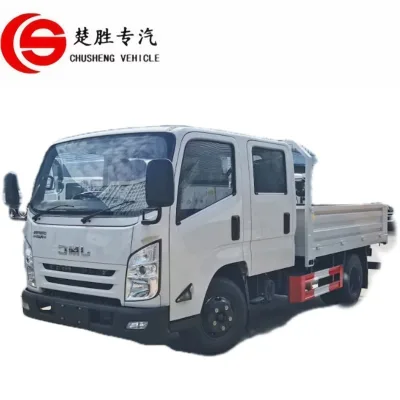
The product scope for mini diesel light lorries encompasses a diverse array of vehicle types, including micro trucks, flatbed styles, and specialized dump trucks. Observed listings highlight models with varying body types, such as closed bodies for protected cargo and open flatbeds for versatile loading. The powertrain options are predominantly diesel, with engine capacities ranging from small displacement units under 4 liters to larger engines exceeding 8 liters. This variation allows buyers to select a truck that matches their specific load requirements, from light urban deliveries to heavier industrial transport. The presence of both manual and automatic transmission options further broadens the scope, catering to different driver preferences and operational environments.
Listing signals also reveal significant diversity in physical dimensions and performance metrics. Wheelbases range from approximately 2990 mm to 3450 mm, directly impacting the vehicle's turning radius and cargo bed length. Horsepower ratings span from under 150 hp to over 350 hp, indicating that the term "mini" can refer to both compact urban vehicles and more robust light-duty trucks. Tire designs vary between radial and bias types, each offering different trade-offs in terms of ride comfort, durability, and cost. Additionally, some listings mention specific certifications such as ECE, GCC, ISO, and DOT, which serve as indicators of the vehicle's compliance with international safety and quality standards. Buyers should treat these signals as starting points for deeper verification rather than definitive guarantees.
Technical Specifications to Verify
Verifying technical specifications is paramount to ensuring the selected truck meets operational demands. Key parameters to confirm include the engine displacement, which directly influences fuel efficiency and power output. Listings show capacities ranging from less than 4 liters to over 8 liters, so buyers must align this with their expected load weights and driving conditions. The maximum speed, often listed around 150 km/h for certain models, should be cross-referenced with local speed limits and safety requirements. Additionally, the wheelbase dimension is critical for determining cargo capacity and vehicle maneuverability; discrepancies between advertised and actual wheelbases can lead to logistical challenges during loading and unloading.
Transmission type and drive configuration are other vital technical aspects to scrutinize. While manual transmissions are common, automatic options are available for drivers seeking reduced fatigue in stop-and-go traffic. The drive wheel configuration, often noted as 4x2 or similar, affects traction and stability, particularly in adverse weather conditions. Buyers should also verify the dumping type and lifting style if considering a dump truck variant, as these features impact operational efficiency and safety. Furthermore, the cargo body size, which can vary significantly, must be measured to ensure it accommodates the intended freight dimensions. Confirming these details with the supplier before finalizing the purchase prevents costly mismatches between vehicle capabilities and business needs.
Compliance and Safety Documentation
Compliance with local and international regulations is a non-negotiable aspect of truck procurement. Buyers must ensure that the vehicle meets the emission standards required in their operating region, with listings mentioning Euro standards as a common benchmark. Verification of tire certifications, such as ECE, GCC, ISO, and DOT, is essential to guarantee that the tires meet safety and performance criteria. These certifications indicate that the tires have undergone rigorous testing for durability, handling, and safety, which is crucial for maintaining vehicle integrity and driver safety. Buyers should request copies of these certification documents to validate the supplier's claims and ensure legal roadworthiness.
Safety documentation also includes information on the vehicle's structural integrity and braking systems. Buyers should inquire about the manufacturing standards followed by the supplier, such as ISO certifications, which reflect a commitment to quality management systems. Additionally, the condition of the vehicle, typically listed as "New," should be verified through pre-shipment inspections to ensure that no defects have occurred during manufacturing or storage. Documentation regarding the vehicle's origin, such as production in Shanxi or Shandong Province, can provide insights into the manufacturing ecosystem and potential supply chain reliability. Ensuring that all compliance documents are complete and authentic is vital for avoiding legal issues and ensuring smooth customs clearance.
Cost Drivers and Commercial Terms
Understanding the cost drivers associated with mini diesel light lorries helps buyers budget effectively and negotiate favorable terms. The primary cost factors include engine capacity, horsepower, and the complexity of the body style. Vehicles with larger engines and higher horsepower ratings typically command higher prices, reflecting their increased capability and durability. The choice between radial and bias tires also influences the overall cost, with radial tires often being more expensive but offering better performance and longevity. Additionally, customization options, such as specific colors or modified cargo bodies, can add to the base price, so buyers should clearly define their requirements to avoid unexpected charges.
Commercial terms, including pricing and minimum order quantities, vary significantly among suppliers. The observed price range of $3,998 to $36,000 USD highlights the vast differences in vehicle specifications and quality levels. Buyers should be cautious of prices that seem unusually low, as they may indicate compromised quality or hidden costs. The MOQ of one unit for many suppliers offers flexibility but may limit negotiation power for bulk purchases. It is advisable to request detailed quotations that break down the cost of the vehicle, taxes, shipping, and any additional fees. Understanding these commercial terms enables buyers to make informed decisions and select suppliers that offer the best value for their specific procurement needs.
Supplier Qualification and Quality Control
Supplier qualification is a critical step in mitigating procurement risks. Buyers should assess the supplier's manufacturing capabilities, production history, and reputation in the market. Suppliers originating from regions like Shanxi and Shandong Province may have different specializations and quality standards, so it is important to verify their expertise in producing the specific type of truck required. Requesting references from previous clients and reviewing their feedback can provide valuable insights into the supplier's reliability and customer service. Additionally, verifying the supplier's business licenses and export credentials ensures that they are authorized to sell and ship vehicles internationally.
Quality control measures should be implemented throughout the procurement process to ensure the delivered vehicles meet the agreed-upon specifications. Pre-shipment inspections are essential to verify the vehicle's condition, including the engine, chassis, body, and electrical systems. Buyers should consider hiring third-party inspection agencies to conduct these checks, providing an unbiased assessment of the vehicle's quality. Documentation of the inspection results should be retained for future reference and dispute resolution. Furthermore, establishing clear communication channels with the supplier allows for timely addressing of any issues that arise during production or shipping. Implementing robust quality control practices helps ensure that the procured trucks perform reliably and meet operational expectations.
Long-Term Procurement Checks
Long-term procurement success depends on establishing ongoing relationships with reliable suppliers and continuously monitoring vehicle performance. Buyers should track the operational efficiency of the procured trucks, including fuel consumption, maintenance costs, and downtime. This data can inform future purchasing decisions, helping to identify which models and suppliers offer the best value over the vehicle's lifecycle. Regular communication with suppliers regarding updates in technology, regulations, and market trends ensures that the procurement strategy remains aligned with business objectives. Additionally, exploring opportunities for bulk purchasing or long-term contracts can lead to better pricing and service terms.
Continuous improvement in the procurement process involves refining supplier evaluation criteria and enhancing quality control protocols. Buyers should periodically review their supplier base to ensure that they continue to meet performance and compliance standards. Engaging in feedback loops with suppliers can foster collaboration and drive improvements in product quality and service delivery. Furthermore, staying informed about industry developments, such as new emission standards or technological advancements in diesel engines, allows buyers to make proactive adjustments to their procurement strategies. By focusing on long-term relationships and continuous improvement, buyers can optimize their fleet operations and achieve sustainable cost savings.
FAQs
What is the typical wheelbase for a mini diesel light lorry truck?
The typical wheelbase for a mini diesel light lorry truck is 2990mm or 3450mm. These dimensions support stable cargo handling and maneuverability in urban environments. Buyers should verify the specific model requirements against their loading needs to ensure optimal chassis performance and balance.
Can a mini diesel light lorry truck be customized?
Yes, customization is available for many mini diesel light lorry truck models. Options include optional colors such as white, blue, or yellow, and various cargo body styles like flatbeds. Buyers can request specific configurations to match their operational requirements and branding preferences.
What is the maximum speed of a mini diesel light lorry truck?
The maximum speed of a mini diesel light lorry truck is typically 150 km/h. This performance level ensures efficient transportation for light to medium loads. Drivers should adhere to local traffic regulations while operating these vehicles on public roads.
What tire certifications are required for a mini diesel light lorry truck?
Tire certifications for a mini diesel light lorry truck often include ECE, GCC, ISO, and DOT standards. These certifications ensure compliance with international safety and quality regulations. Buyers must verify that the supplied tires meet the specific regulatory requirements of their target market.
What is the standard packaging for a mini diesel light lorry truck?
Standard packaging for a mini diesel light lorry truck includes naked packing, container shipping, or waxed before on board methods. The chosen packaging depends on the shipping route and protection requirements. Buyers should confirm the packaging type with the supplier to prevent transit damage.
What is the load capacity range for a mini diesel light lorry truck?
The load capacity range for a mini diesel light lorry truck is typically 1-10 tons. This capacity supports versatile transportation tasks for various industries. Buyers should select a model with a capacity that aligns with their average cargo weight to ensure efficient and safe operations.